



EU-PFF Summit Report
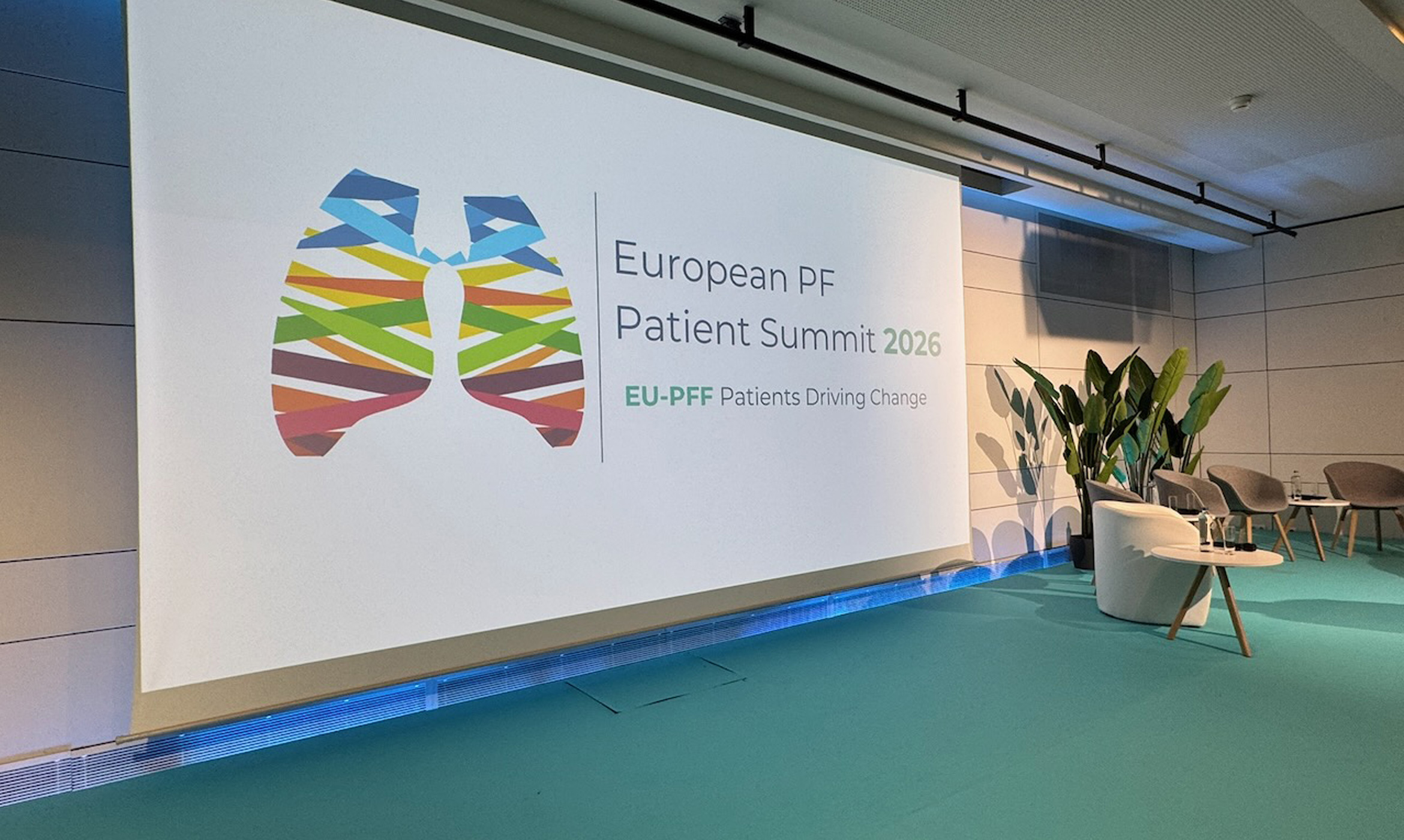
I recently participated in the EU-PFF Summit in Brussels (24–26 April 2026), organised by the European Pulmonary Fibrosis Federation. The summit brought together patients, caregivers, clinicians, researchers, policymakers, and industry representatives to share knowledge and discuss how to improve care for people living with pulmonary fibrosis (PF) and related conditions. This year marks the 10th anniversary of EU-PFF, and the event represented their 4th patient summit.
Prior to the summit, I attended the ELHG face to face meeting. Both EU-PFF and PHA Europe are members of the ELHG, which provided a strong basis for collaboration and mutual understanding across disease areas. The connection between PF and pulmonary hypertension (PH) is particularly relevant, as patients with PF may develop PH (Group 3 PH), highlighting important overlaps in patient needs, clinical challenges, and advocacy priorities.
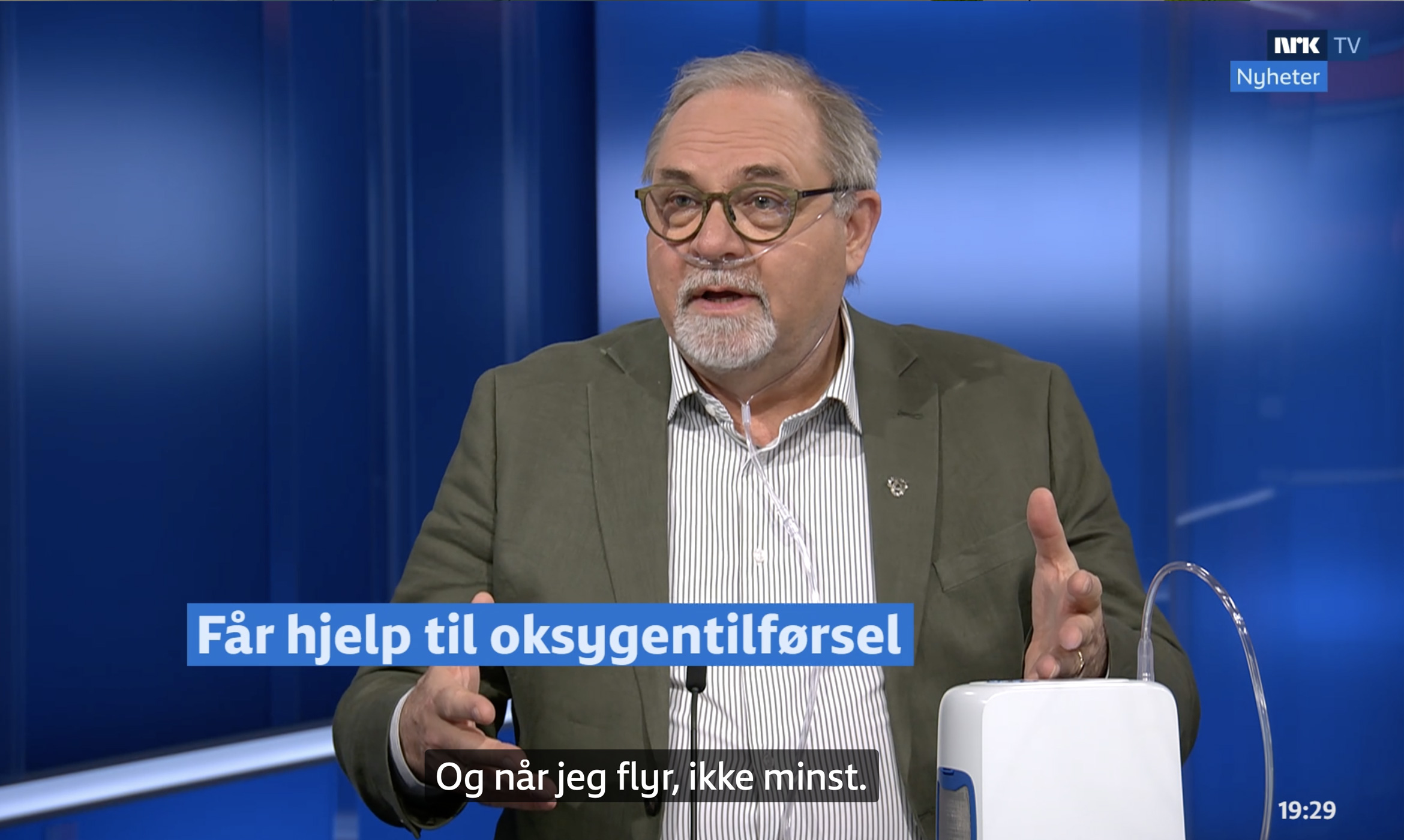
EU-PFF – John Solheim
It was also interesting to note that the leader of EU-PFF, John Solheim, is Norwegian. Shortly after returning to Norway, I saw him featured on national news, where he demonstrated the use of oxygen therapy. This is currently a widely discussed topic in Norway, particularly following the public appearance of Crown Princess Mette-Marit using oxygen support at an official event. This has contributed to increased awareness and visibility of respiratory conditions and the daily challenges patients face.
The summit programme included plenary sessions and interactive discussions covering early diagnosis, access to treatment, research developments, and patient-centred care. A key focus was the need to reduce delays in diagnosis and improve access to specialist centres. As in PH, patients with PF often face long diagnostic journeys, and there is a clear need for increased awareness among healthcare professionals.
EU-PFF – The Voice of Pulmonary Fibrosis Patients in Europe
Currently, there are two approved medications available for PF, which reflects a field that is still developing compared to PH. In contrast, pulmonary hypertension has around 13 approved therapies across different pathways (this number may evolve over time). At the same time, it was encouraging to see that there is significant research activity in PF, with many new treatments currently in clinical trials. Some of these emerging therapies may become relevant both for patients with pulmonary arterial hypertension (Group 1 PH) and for patients with PF who develop PH (Group 3 PH), further underlining the importance of collaboration between the two fields.
Another important topic discussed during the summit was the hereditary aspect of pulmonary fibrosis. Like PH, PF can in some cases be linked to genetic factors. One of the most impactful sessions featured testimony from a patient and their spouse, who shared their experience of dealing with hereditary PF. They described the emotional burden of having to inform family members about potential genetic risk, often without adequate support from the healthcare system. This highlighted a clear need for better training of healthcare professionals in communicating genetic risk, as well as greater involvement of specialists such as psychologists and genetic counsellors who are trained to guide families through such conversations. The testimony was deeply moving and underscored the importance of providing structured support for families facing these difficult situations.
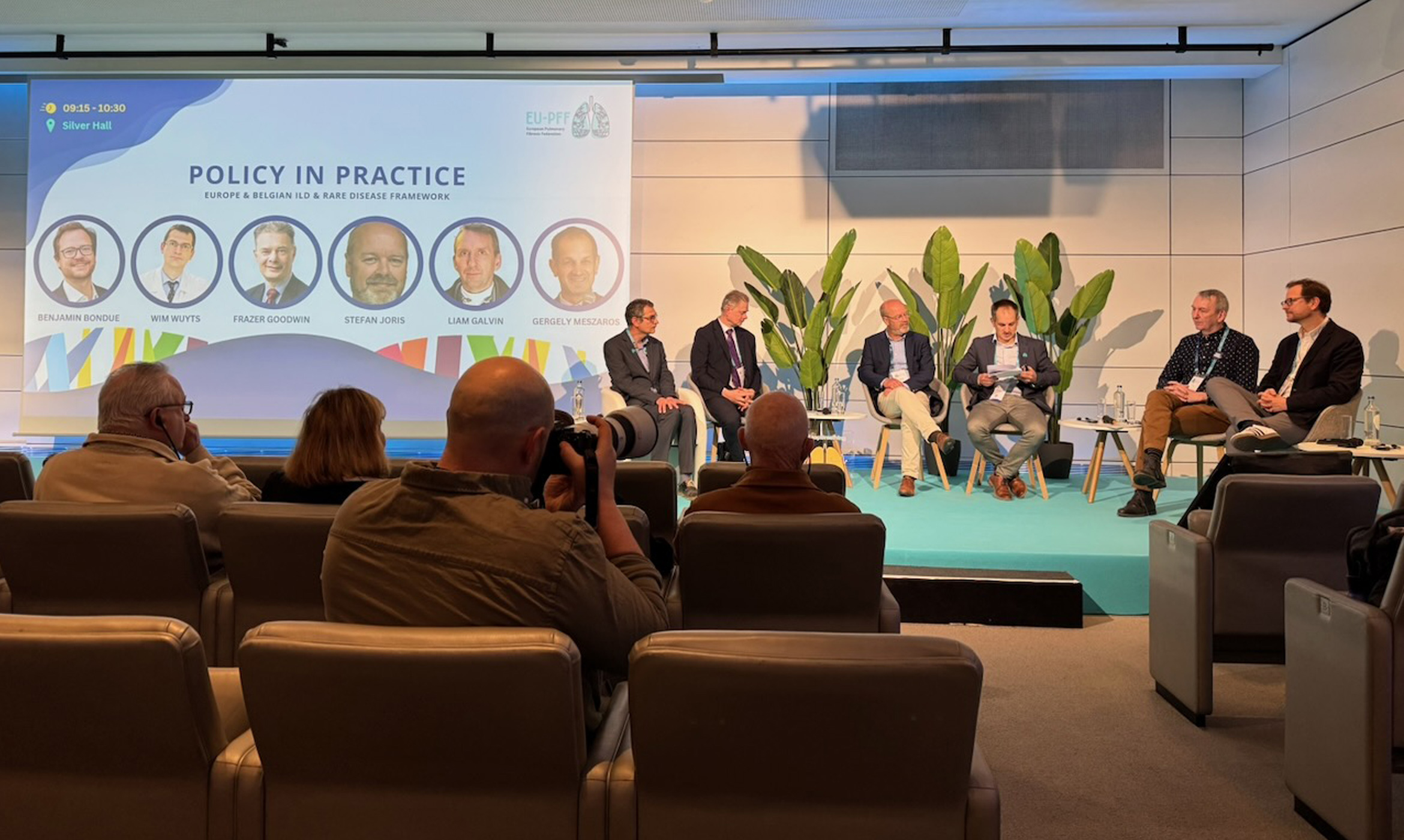
EU-PFF – Policy in practice
Throughout the summit, there was a strong emphasis on patient involvement and empowerment. Patients are increasingly recognised as key partners in research, clinical trial design, and policy development. This is very much aligned with developments in the PH field, where patient engagement has become an essential component of progress.
The summit also offered valuable opportunities for networking and exchange with stakeholders from across Europe. These interactions reinforced the shared challenges between PF and PH communities and highlighted opportunities for closer collaboration, particularly in areas such as awareness, early diagnosis, and access to care.
Overall, the EU-PFF Summit was a highly relevant and insightful event. It clearly demonstrated that, while PF and PH are distinct conditions, they share many common challenges and opportunities. Strengthening collaboration between the two communities will be important going forward, particularly as new therapies emerge and as we continue to advocate for improved patient care across Europe.
Hall Skaara
Project Manager, PHA Europe & Global
Egersund, April 29th 2026