



Crown Princess Mette-Marit and lung fibrosis: raising awareness of serious lung disease
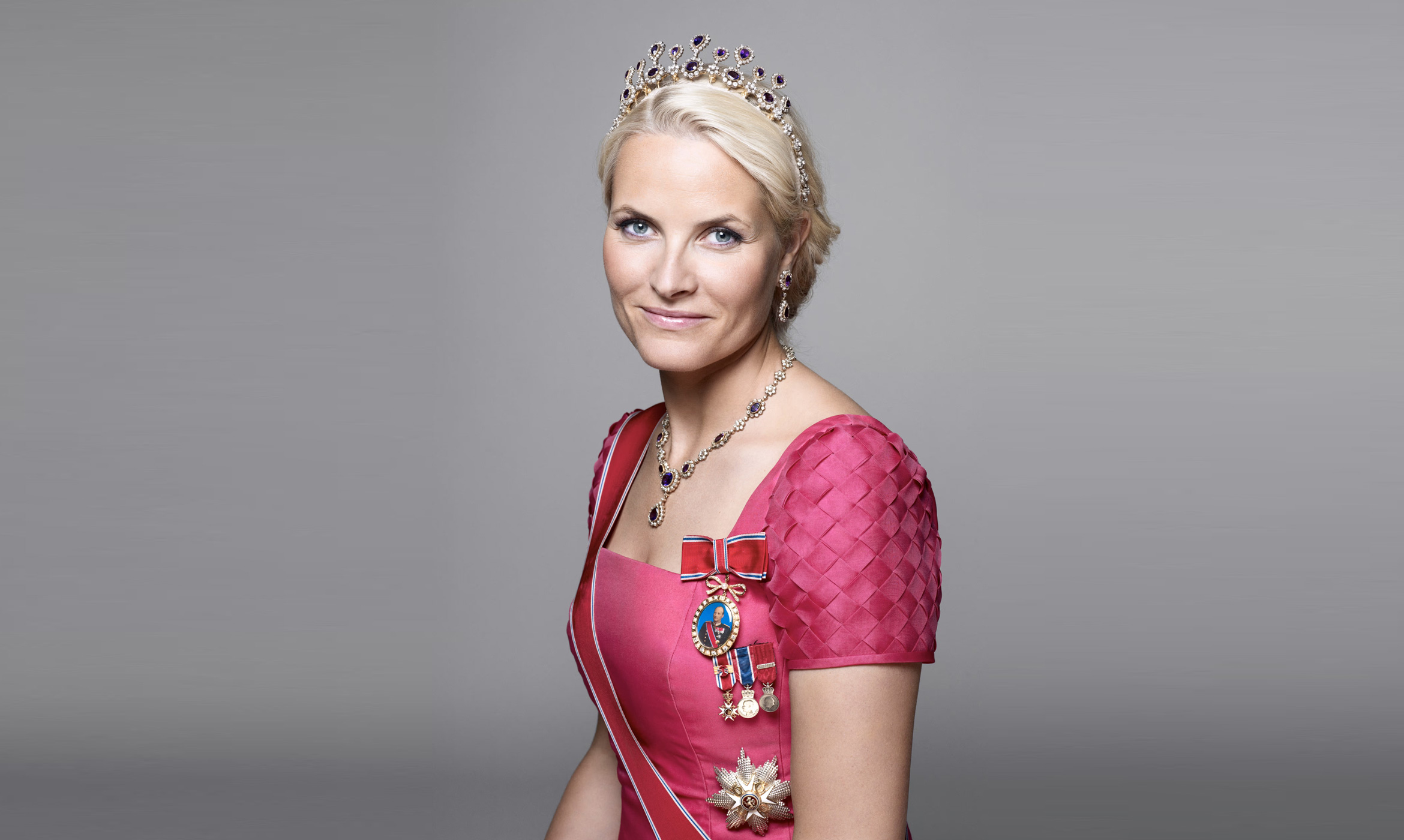
This week, Crown Princess Mette-Marit of Norway spoke openly to the press about her health, sharing that her lung disease has progressed and that her doctors are now preparing her for the possibility of a lung transplant. Her statement has drawn national and international attention and has sparked renewed awareness of serious chronic lung diseases and their consequences.
The Crown Princess was diagnosed several years ago with lung fibrosis, a condition that belongs to a broader group of diseases known as interstitial lung diseases (ILDs). While the exact type of lung fibrosis she has has not been publicly disclosed, the condition is known to be progressive in some patients and, in advanced stages, may require lung transplantation.
Lung fibrosis is characterised by scarring of the lung tissue, which leads to stiffness of the lungs and a reduced ability to transfer oxygen into the bloodstream. Over time, this can result in increasing breathlessness, fatigue, and reduced quality of life. ILDs encompass many different diagnoses, with varying causes, progression rates, and treatment options.
It is important to note that some forms of interstitial lung disease can lead to pulmonary hypertension (PH) – a serious condition in which blood pressure in the pulmonary arteries becomes abnormally high. When PH develops as a complication of lung disease (often referred to as PH-ILD), it can significantly worsen symptoms and prognosis. Not all patients with lung fibrosis develop pulmonary hypertension, and we do not know whether this is the case for Crown Princess Mette-Marit. However, her situation highlights the complex and often severe nature of advanced lung disease and the need for careful monitoring and specialised care.
In recent years, research into treatments for lung fibrosis and PH-ILD has intensified. Several clinical trials are currently ongoing, exploring new therapies aimed at slowing disease progression, improving symptoms, and enhancing quality of life. Despite this progress, for some patients with advanced disease, medical treatments may not be sufficient or may not become available in time, leaving lung transplantation as the only viable option. Lung transplantation is a major and life-changing procedure, reserved for carefully selected patients and performed in highly specialised centres.
According to the hospital, Crown Princess Mette-Marit will not receive priority on the transplant waiting list; lungs are allocated based on medical urgency and best donor–recipient match, in line with Norway’s healthcare principles, where all patients are treated equally regardless of status.
By speaking publicly about her illness, Crown Princess Mette-Marit has shown great openness and courage. Her message brings visibility to conditions that often remain invisible until they become severe, and it may help others better understand the challenges faced by people living with chronic and progressive lung disease. Greater awareness can contribute to earlier diagnosis, improved access to specialist care, stronger support for research into new treatments, and better understanding of associated conditions such as pulmonary hypertension.
We extend our sincere respect and best wishes to Crown Princess Mette-Marit and her family as she faces a demanding period ahead. Her story is a powerful reminder of why continued investment in research, patient support, and international collaboration in lung disease and pulmonary hypertension remains so vital.