
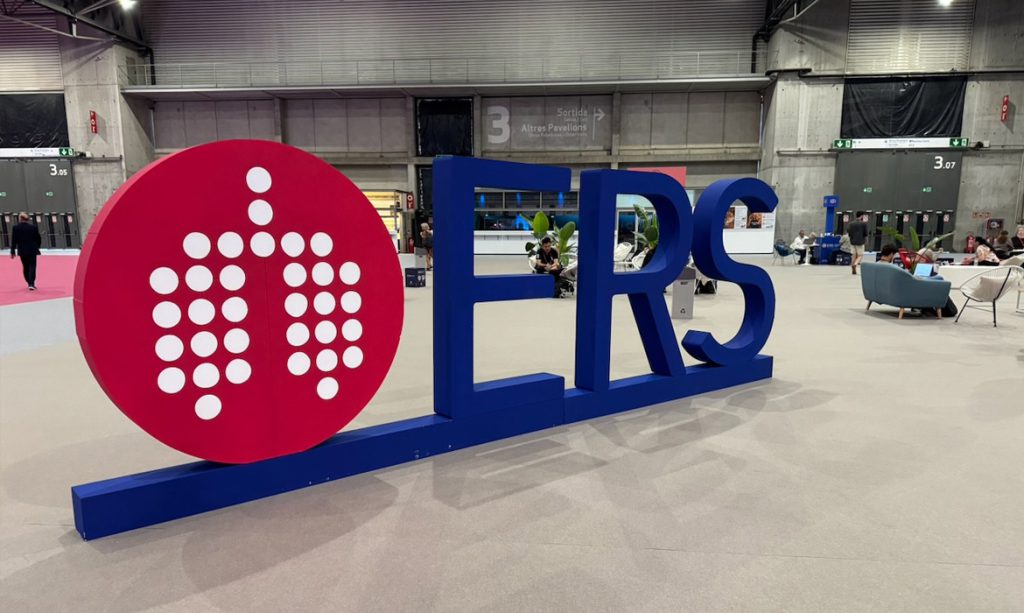
Barcelona, Spain – 5-9 September 2026
Following the GAAPP Annual General Meeting and Summit on 3-4 September, I stayed in Barcelona for the European Respiratory Society (ERS) Congress, which took place from 5-9 September. The ERS Congress is one of the world’s largest meetings in respiratory medicine and brings together clinicians, researchers, other healthcare professionals, patient representatives and industry to present and discuss the latest developments in respiratory health.
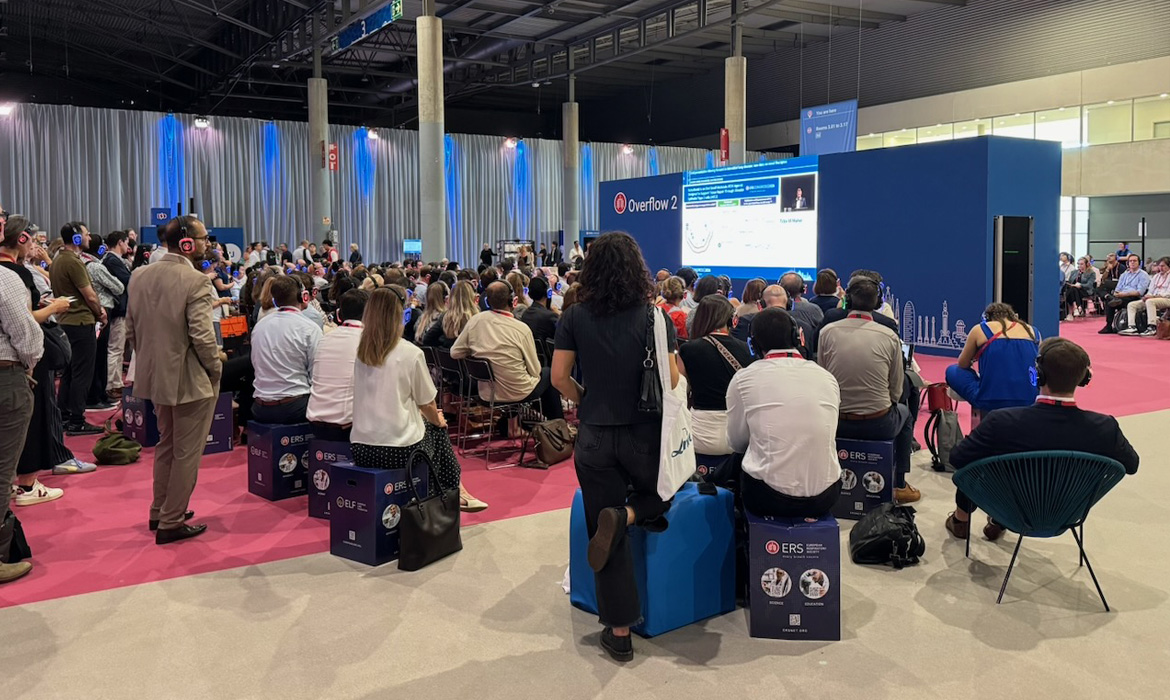
PHAEUROPE & Global was well represented at this year’s Congress, with several of our representatives participating in sessions and meetings. I participated as a speaker in two sessions. The first was an MSD-sponsored symposium on 6 September entitled “Refining the clinical picture in pulmonary arterial hypertension: Using PROs to prioritize what matters in patient care.” The panel brought together patient representatives with two leading PH specialists, Professor Marc Humbert and Professor Marion Delcroix. The discussion focused on how patient-reported outcome measures (PROMs) and the patient’s lived experience can complement traditional clinical risk assessment in PAH.
My main message was that clinical numbers alone do not necessarily tell us how a patient is doing in everyday life. Patients gradually adapt to limitations and may say that they are doing “fine”, even when their definition of fine has changed substantially. PROMs and good conversations can therefore help clinicians recognise changes that conventional measurements may miss. We also discussed how PROMs can be incorporated into routine clinical practice without becoming simply another questionnaire to complete, and how patient organisations can help patients prepare for consultations and participate more actively in shared decision-making.

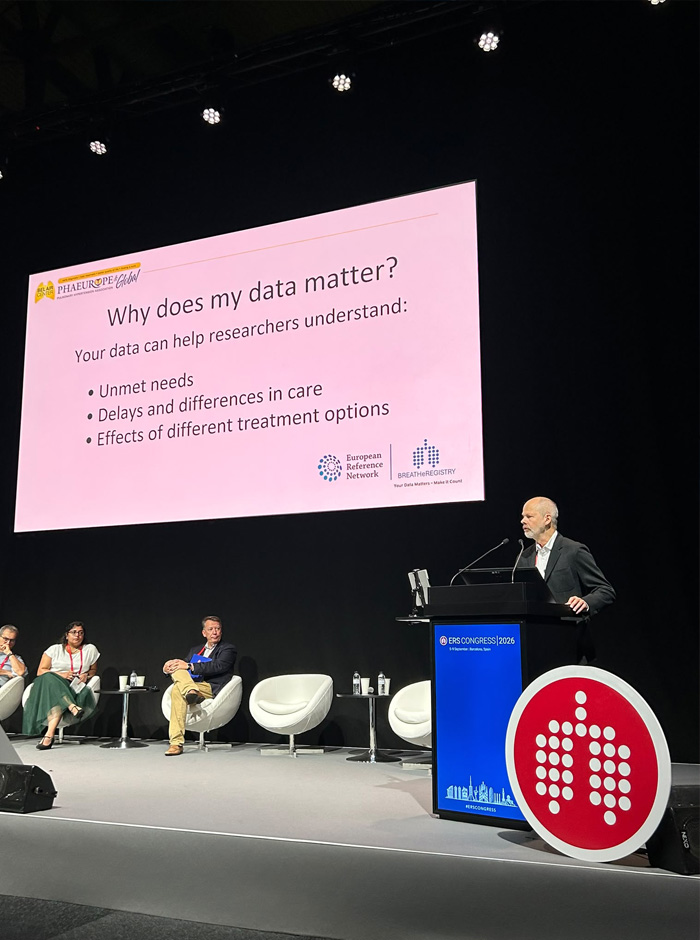
My second speaking engagement was during the ERN-LUNG Wednesday special programme. The session, chaired by Marc Humbert, was entitled “ERN-LUNG: a patient-focused network” and looked at how patients with rare respiratory diseases can benefit from European collaboration. My presentation focused on the BREATHeREGISTRY and why patients should participate. BREATHeREGISTRY is a patient-driven registry that allows people with rare respiratory diseases to contribute data directly, including patients who are not treated at an ERN-LUNG centre. The registry is intended to support a better understanding of rare respiratory diseases, identify unmet needs and contribute to research and improved care.
Other PHAEUROPE & Global representatives also had active roles at the Congress. In particular, Natalia Maeva participated as a speaker in two sessions. In one session, she presented the patient perspective on multidisciplinary care for rare lung diseases. Her presentation emphasised that clinicians measure the disease while patients experience the whole journey, including independence, work, relationships, mental health, treatment burden and quality of life. She highlighted the need for coordinated, patient-centred care and for moving from “patient voice” to true “patient partnership”, where patients are involved early and help shape decisions, research questions, outcomes and implementation.
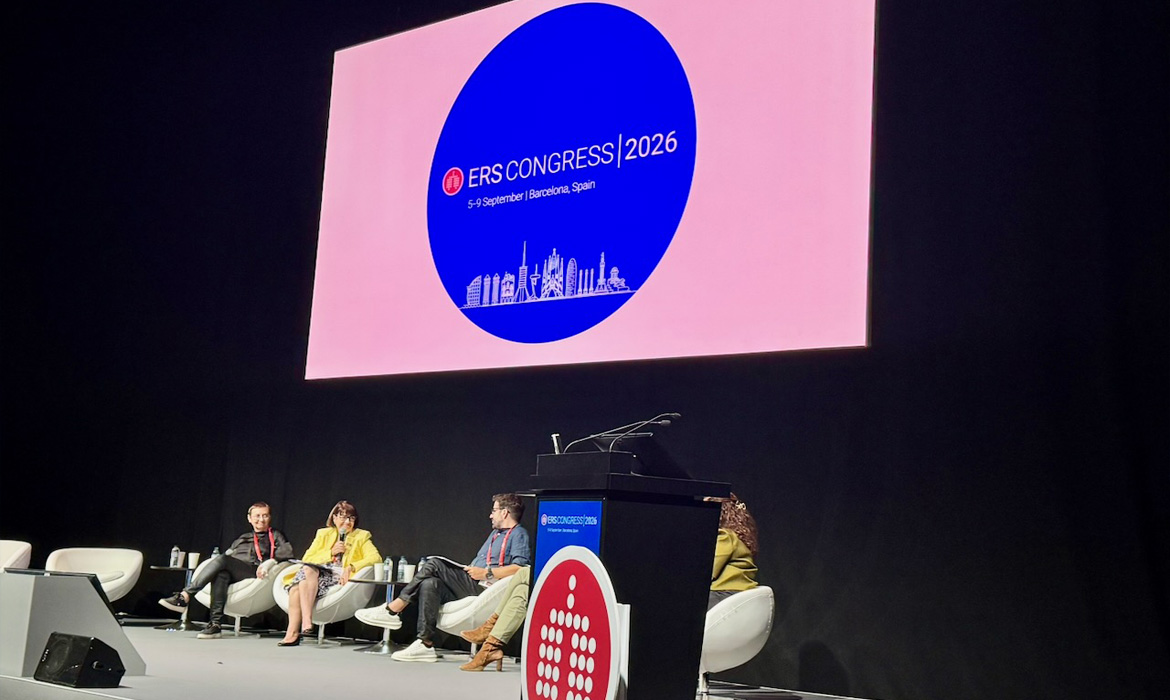
Natalia also spoke in a session about lung transplantation, where she shared her own transplant story. Because Bulgaria does not have a lung transplant programme, she had to go abroad and received her transplant in Vienna. Her experience provided a powerful example of the importance of cross-border healthcare and international cooperation, but also highlighted the inequalities that still exist in access to transplantation across Europe.
From a pulmonary hypertension perspective, one of the most important scientific highlights of the Congress was the presentation of the new ERS clinical practice guideline update for the treatment of pulmonary arterial hypertension. The update was particularly anticipated because the availability of sotatercept has changed the PAH treatment landscape. The new guidelines recommend adding sotatercept for patients already receiving PAH treatment who remain at intermediate-low, intermediate-high or high risk of death during follow-up. For patients already at low risk, no recommendation was made because the available evidence remains limited.
The guidelines also address the use of repeat right-heart catheterisation during follow-up. Rather than recommending catheterisation at fixed intervals for all patients, the Task Force suggests performing RHC in patients at intermediate-low, intermediate-high or high risk when the results are expected to have therapeutic consequences. No recommendation was made for routine follow-up RHC in low-risk patients because of the very low certainty of evidence. I found this particularly relevant from a patient perspective, as it supports using an invasive procedure when the information obtained is likely to influence treatment rather than simply because a certain amount of time has passed.
Another major PH highlight was the presentation of the Phase 2 PHocus trial of mosliciguat, developed by Pulmovant, for patients with pulmonary hypertension associated with interstitial lung disease (PH-ILD). This is a patient group with relatively few effective treatment options, so the results attracted considerable attention. The trial reported a 56.3% placebo-adjusted reduction in pulmonary vascular resistance at 16 weeks, together with a 35.2-metre improvement in six-minute walking distance and a 53.2% reduction in NT-proBNP. Mosliciguat was also reported to be well tolerated, and the Phase 3 PHrontier study has already started. These are Phase 2 results and therefore still need confirmation in a larger Phase 3 trial, but they represent a very encouraging development for PH-ILD patients.
The Congress was not only about scientific presentations. The European Lung Foundation Patient Organisation Networking Day on 5 September was another valuable part of the week. This year’s focus was “Dismantling the divide: patients and professionals as one team.” It brought together patient organisations and healthcare professionals to exchange experiences and discuss how patients can become genuine partners in healthcare, research and advocacy. This fitted very well with the overall Congress emphasis on partnership between patients, clinicians and researchers.
I also participated in the ELF Patient Advisory Committee meeting. The PAC brings together patient representatives from different respiratory disease areas and provides patient input into the work of ELF and ERS. For PHAEUROPE & Global, participation in these discussions is important both to ensure that the PH perspective is represented and to learn from organisations working in other respiratory fields.
During the Congress I also participated in several Clinical Research Collaboration (CRC) meetings. These smaller meetings provide useful opportunities to discuss ongoing research projects in more detail and to ensure that patient priorities are taken into account. They are also valuable for building relationships between patient representatives, researchers and clinicians that continue beyond the Congress itself.
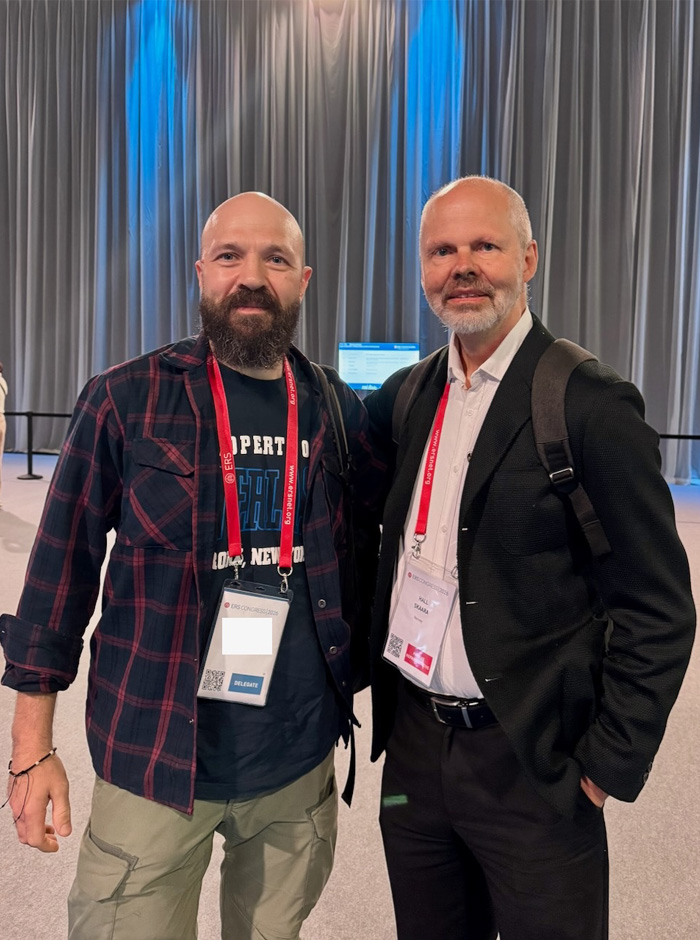
One of the most personal and touching experiences for me was meeting a pulmonologist from Ukraine who was able to take a short break from the war to participate in the Congress. We were involved in the same session. He was particularly impressed by hearing about the level of collaboration between European countries in organ donation, organ exchange and transplantation. Meeting someone whose everyday professional and personal life is taking place against the background of war was a strong reminder that international medical collaboration is about much more than scientific results. The ability to exchange knowledge, expertise and even donor organs across national borders can have a very direct impact on people’s lives.
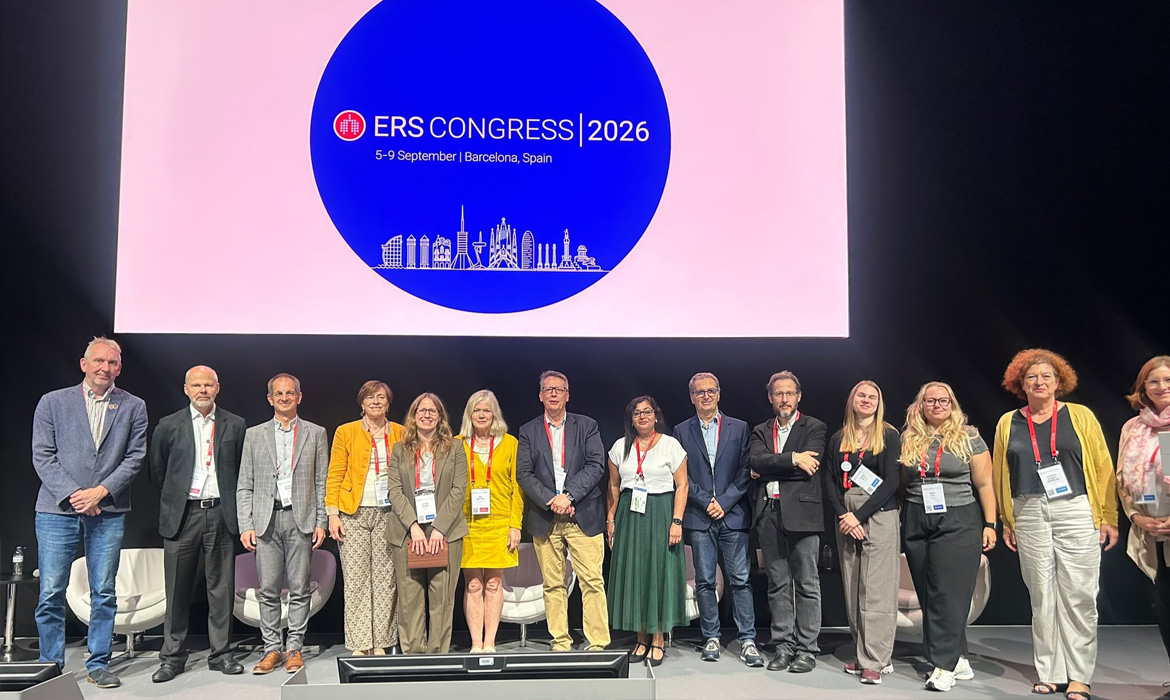
Finally, as always, the ERS Congress provided an excellent opportunity for networking. I had many meetings and informal discussions with representatives from pharmaceutical and biotechnology companies, PH specialists, researchers and patient organisations. These contacts are important for the ongoing work of PHAEUROPE & Global, whether related to future treatments, clinical trials, patient education, research collaboration or support for our activities.
Overall, ERS Congress 2026 was a particularly relevant meeting for pulmonary hypertension. The new recommendations on sotatercept and right-heart catheterisation show how rapidly PAH treatment and monitoring are evolving, while the PHocus results provide encouraging news for PH-ILD, a group where the unmet need remains substantial. At the same time, the strong patient involvement throughout the Congress demonstrated how the role of patients is also evolving. PHAEUROPE & Global was represented not only as an organisation attending the Congress, but through several patient representatives contributing directly to scientific, clinical and policy discussions. This was an important opportunity to ensure that the patient perspective remains part of the developments shaping the future of pulmonary hypertension and respiratory care.
Hall Skaara
Project Manager, PHAEUROPE & Global
Egersund, September 14th, 2026