
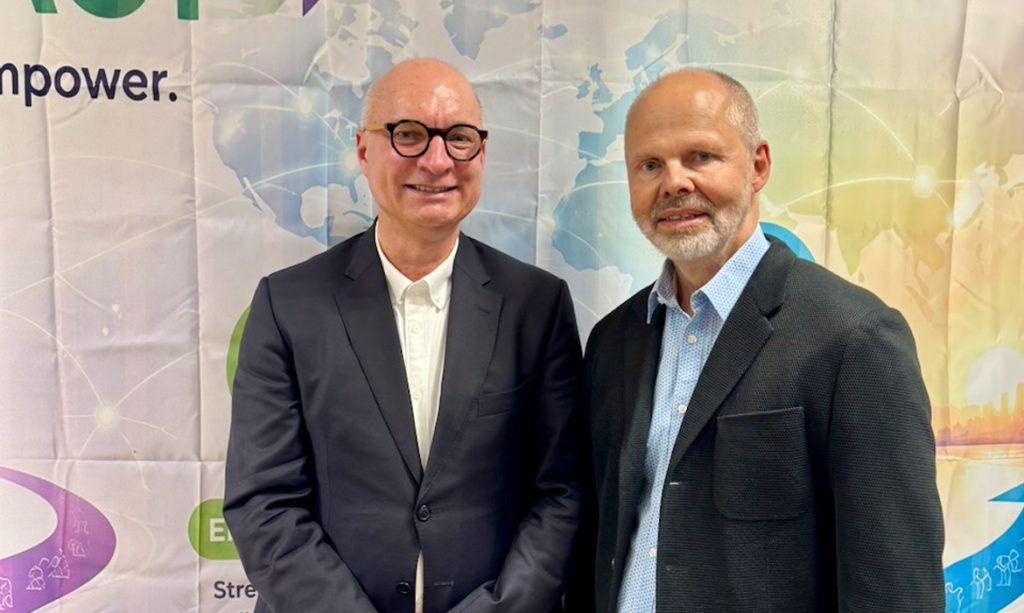
Barcelona, Spain – 3-4 September 2026
Introduction
The Global Allergy & Airways Patient Platform (GAAPP) held its Annual General Meeting and Summit in Barcelona on 3-4 September 2026. More than 150 participants attended, representing patient organisations from around the world. GAAPP has grown considerably since its early days and now has 219 member organisations in 71 countries, covering 20 disease areas. It has 16 staff members and an annual budget exceeding EUR 3 million.
GAAPP development and activities
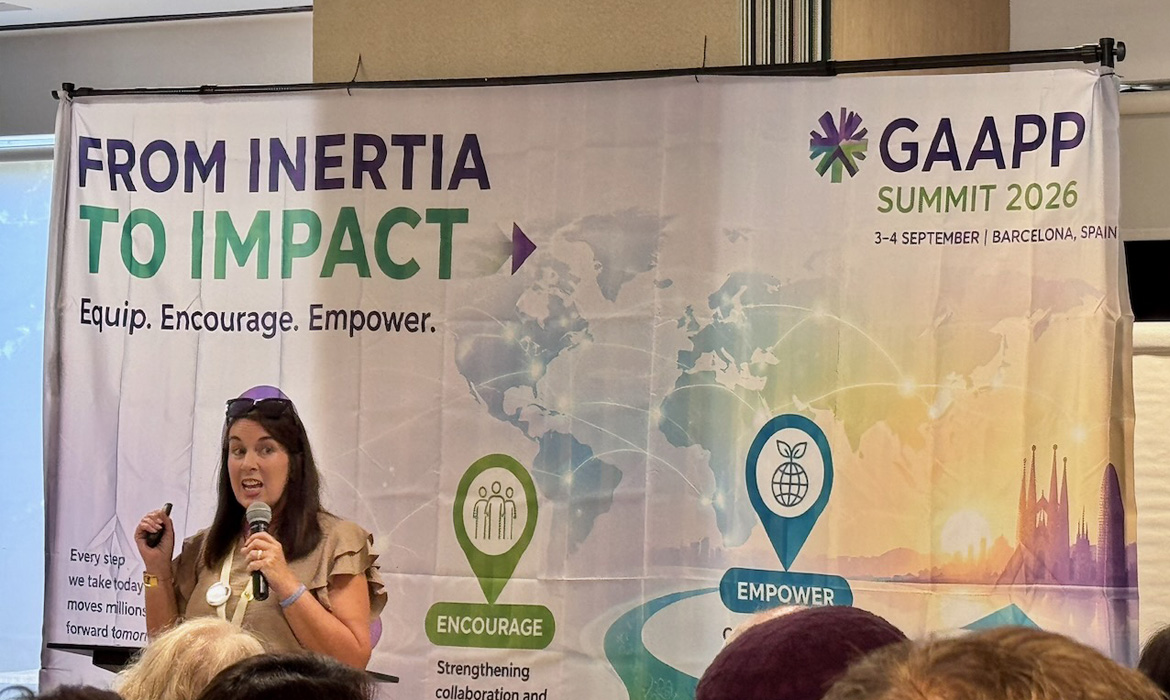
GAAPP’s mission is to improve the lives of people with respiratory and immunologic conditions by empowering patient organisations and elevating lived experience through awareness, education, advocacy and research. These four areas also form the organisation’s main pillars of activity.
An impressive aspect of GAAPP’s development is the amount of funding returned directly to its members. More than 50% of the organisation’s budget is used to support members through activities such as events and Impact Funds, while administrative costs account for only around 3.5%. GAAPP also limits its dependence on individual industry partners, with no single pharmaceutical funder providing more than 25% of its budget. More than 40 patient associations have been awarded approximately EUR 225,000 in Impact Funds in 2026.
GAAPP reported substantial activity across its four pillars. Its global awareness initiatives reached approximately 9.37 million people in 2025. Research activities include advisory consulting, recruitment, global surveys, process improvement, publications and plain-language reports.
Advocacy and lung health
Advocacy was an important theme throughout the Summit. The programme included a dedicated session on the WHO Lung Health Resolution and UN Political Declarations, followed by discussion about how patient organisations can use these international commitments in their national advocacy.
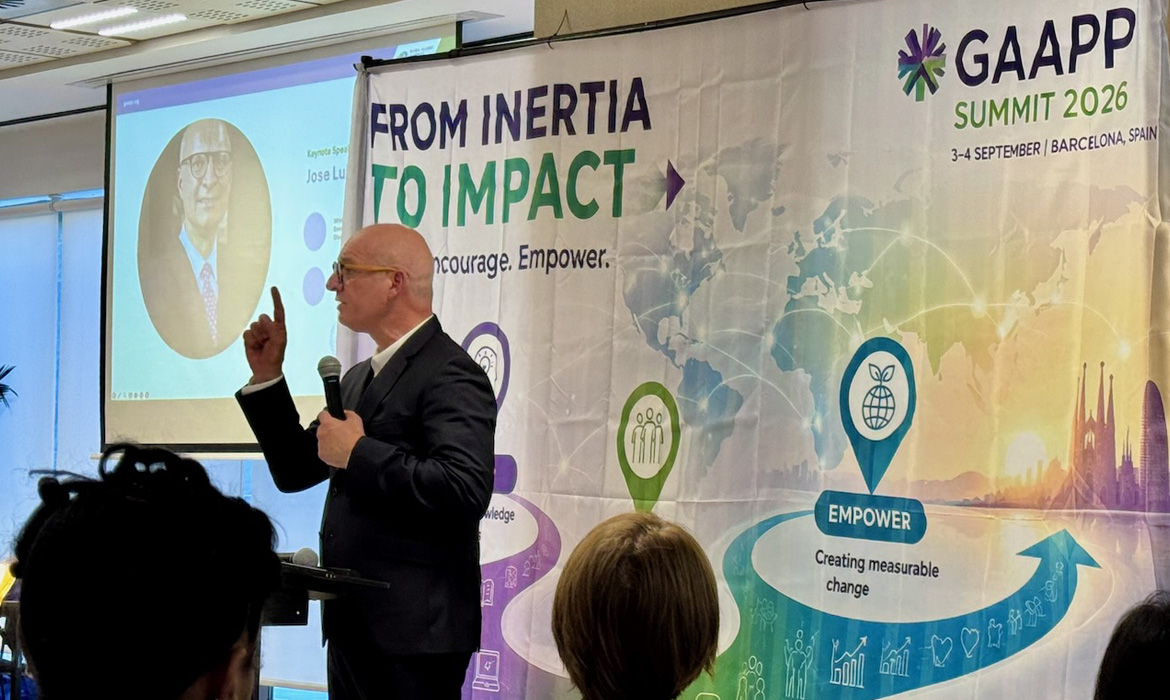
The closing keynote was delivered by Jose Luis Castro, WHO Director-General’s Special Envoy for Chronic Respiratory Diseases. He highlighted that around half a billion people worldwide live with respiratory disease and stressed the importance of using the 2025 World Health Assembly lung health resolution as leverage when engaging with national governments. He also emphasised the integration of lung health into primary care and the important role of patient advocates in driving change.
An interesting concept discussed during the meeting was the four levels of prevention: primary prevention, such as cleaner air; secondary prevention through earlier diagnosis; tertiary prevention aimed at preventing deterioration and maintaining function; and quaternary prevention, avoiding unnecessary treatment. Other recurring advocacy themes included access and affordability and the message that “health creates wealth.”
Artificial intelligence and patient organisations
A significant part of the Summit focused on how patient organisations can make practical use of artificial intelligence. The skill-building programme covered awareness, education, advocacy and research, with separate sessions for each area.
Examples included using AI to monitor social media and other online sources, identify relevant information, analyse data, translate material and create infographics and other communication products. There was also discussion about collecting and analysing organisations’ own data and using scheduled AI routines to regularly monitor particular topics and produce reports.
These sessions demonstrated that AI is rapidly becoming a practical tool for patient organisations, not only for communication but also for research, education and advocacy.
Networking, practical exercises and member support
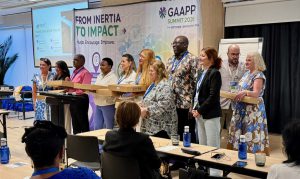
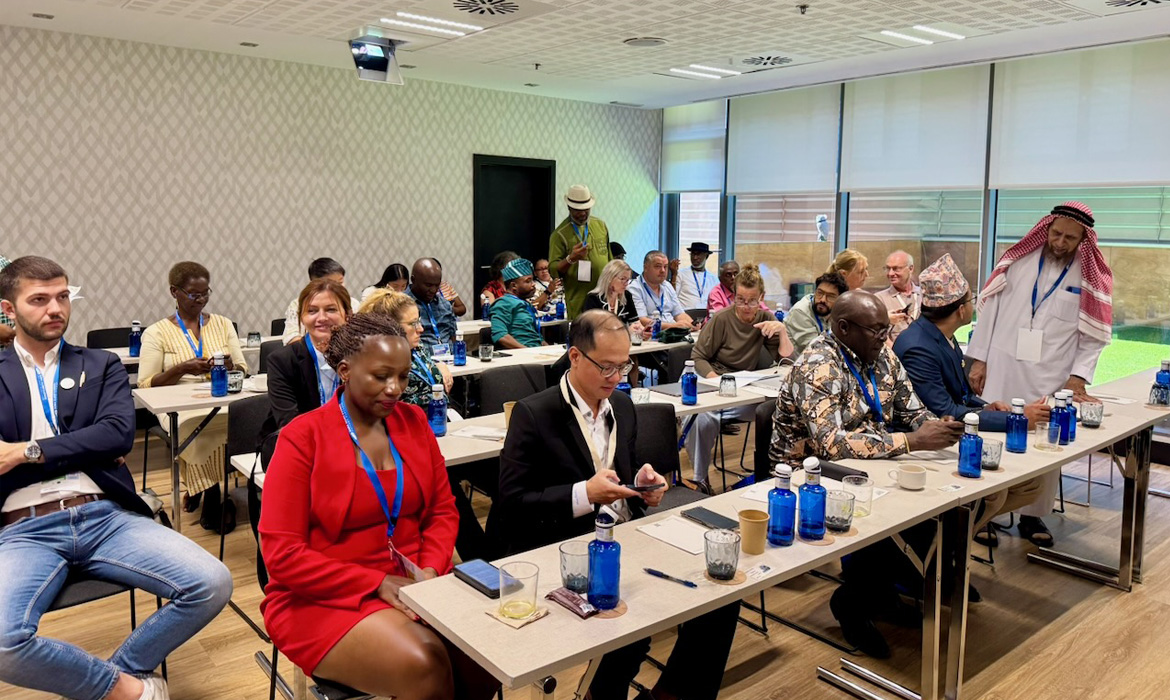
The Summit provided considerable time for networking and interaction between patient organisations from different regions. Member Expo sessions were organised for North America, Latin America, Europe, AMEA and Asia-Pacific.
One of the more interactive sessions was the Shark Tank, where organisations worked in regional groups and were given one hour to develop a five-minute pitch presenting a solution to a problem. The pitches were presented to all participants, who voted for the best idea. The winning group (Latin America) was awarded funding to further develop and implement its idea. The combination of teamwork, competition and actual financial support made this a particularly interesting format.
GAAPP also demonstrated its practical support for smaller and less well-funded member organisations. During the Summit, ten laptops were given to ten associations with financial need. This was a simple but very tangible example of helping member organisations strengthen their capacity.
Overall impression
The Summit demonstrated how much GAAPP has developed into a large and professional international patient organisation while continuing to invest substantially in its member associations. Particularly relevant for PHA Europe & Global were the discussions around international advocacy, the WHO lung health resolution, research collaboration, access and affordability, and the rapidly expanding possibilities for using AI in the work of patient organisations.
The meeting also provided valuable opportunities to strengthen relationships with other patient organisations and to identify ideas that could potentially be adapted to our own activities.
Hall Skaara
Project Manager, PHAEUROPE & Global
Egersund, September 11th, 202